Best Drinks for an Enlarged Prostate (and What to Skip)
Affiliate disclosure: some links on this site are affiliate links. If you buy through them we may earn a commission at no extra cost to you. That never changes what the research says, and we publish negative findings about products we link to. This article is informational and is not medical advice.
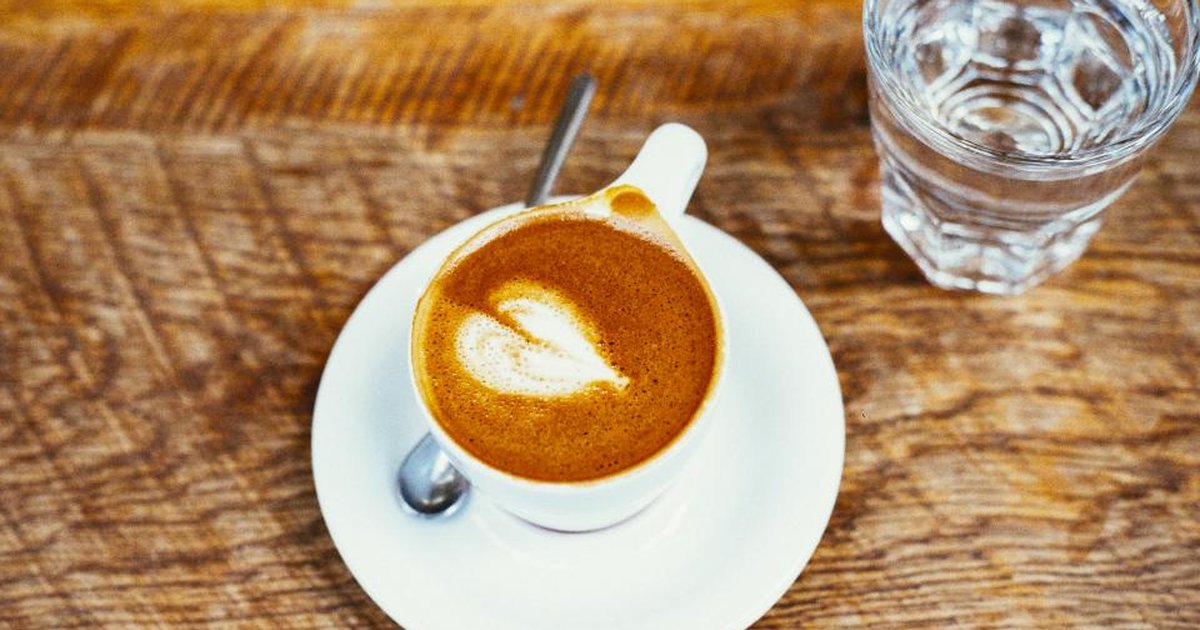
The best drink for an enlarged prostate is plain water, spread through the day and mostly stopped about two hours before bed.1 The drinks to limit are coffee, energy drinks, alcohol and soda, because caffeine and alcohol act as mild diuretics.2 No juice or tea has been shown to shrink the prostate.
Key takeaways
- In a Boston study of 4,144 adults, men who drank more than 2 cups of coffee a day had about twice the odds (odds ratio 2.09) of their urinary symptoms getting worse over five years.3
- In US men, caffeine at 234 mg a day or more was linked to 72 percent higher odds of moderate to severe leaking.4 That is about two and a half 8-ounce cups of brewed coffee.5
- The American Urological Association lists limiting fluids before bedtime and limiting mild diuretics such as caffeine and alcohol as first-line steps for BPH symptoms.2
- Across 19 studies (120,091 men), drinkers were less likely to have BPH, but 3 of the 4 studies that used urinary symptoms as the main outcome found more symptoms with drinking.6
- Pomegranate juice's famous PSA result (doubling time from 15 to 54 months) came from men with prostate cancer and had no placebo group. A placebo-controlled trial of 183 men found no significant difference between groups.7,8
Why drinks matter when the prostate is enlarged
Benign prostatic hyperplasia (BPH) is the most common prostate problem in men over 50. The NIDDK estimates it affects 5 to 6 percent of men aged 40 to 64 and 29 to 33 percent of men 65 and older.9 The AUA guideline cites the Olmsted County Study, where moderate to severe urinary symptoms rose to nearly 50 percent of men in their 70s.2
No drink has been shown to shrink the prostate. The NIDDK says diet has not been found to cause or prevent BPH, but changes in eating and drinking could lessen some symptoms.9 If you are still sorting out which symptoms you have, start with our guide to enlarged prostate symptoms.
Four ways a drink can make symptoms worse
Volume. The AUA and SUFU overactive bladder guideline notes that more than eight glasses of water a day can cause frequency that looks like a bladder problem; a voiding diary tells them apart.10
A diuretic effect. The AUA BPH guideline calls caffeine and alcohol "mild diuretics."2 In a small lab study of 12 adults aged 21 to 40 with overactive bladder symptoms (9 of them women), caffeine at 4.5 mg per kilogram of body weight raised urine output and made the first urge arrive at a lower bladder volume.11 For a 190-pound man, that is about 390 mg, roughly four cups of brewed coffee.
Bladder irritation. The NIDDK says many people find alcohol, artificial sweeteners, caffeinated, carbonated and citrus drinks, and acidic foods such as tomatoes may irritate the bladder, and suggests avoiding them for a time to see if symptoms improve. The same page says no direct scientific evidence links nutrition to making bladder leaks better or worse.12
Timing. MedlinePlus says too much fluid in the evening, and caffeine or alcohol with or after dinner, can make you urinate more at night.13
Storage, not stream. The studies below tie drinks to urgency, frequency and night trips, not to a weaker stream. In a 2026 retrospective study of 156 men with urinary symptoms, a coffee with 100 mg of caffeine raised average peak flow from 16.12 to 18.33 mL per second an hour later, with no change in urine left behind.14 One dose says nothing about daily coffee over months.
Best and worst drinks for an enlarged prostate, compared
Guideline means AUA or NIH advice. Observational means large studies found a link that cannot prove cause. Small trial means randomized but small or industry funded. None in BPH means we found no human trial that measured urinary symptoms in men with BPH.
| Drink | What the evidence shows | Level | Source |
|---|---|---|---|
| Water, timed early | Best everyday drink. Taper off 2 hours before bed; do not cut total fluids to the point of thirst. | Guideline | 1,12 |
| Coffee and caffeine | Over 2 cups a day tied to worsening symptoms in men; 234 mg a day tied to more leaking. | Observational | 3,4 |
| Decaf coffee | 2 to 15 mg caffeine per cup. Not studied on its own in BPH. | No direct data | 15 |
| Alcohol | Linked to less BPH, yet 3 of 4 studies focused on symptoms found more of them. A mild diuretic. | Observational (mixed) | 6,2 |
| Green tea | About a third of coffee's caffeine. The one trial used an extract capsule. | Small trial (extract) | 5,16 |
| Hibiscus tea | Caffeine-free. Lowered blood pressure in one trial. No prostate trial. | None in BPH | 5,17 |
| Tomato juice | About 22 mg lycopene per cup. A lycopene capsule slowed prostate growth in a 40-man pilot. Acidic, often salty. | Small trial (capsule) | 5,18 |
| Pomegranate juice | No trial of BPH symptoms. In men with prostate cancer, PSA results did not beat placebo. 31 g sugar per cup. | None in BPH | 8,5 |
| Citrus juice | Linked to 50 percent lower odds of worsening in men, yet listed as a possible irritant. | Observational (mixed) | 3,12 |
| Soda and diet soda | Listed as irritants. Data mostly from women; caffeinated diet soda stood out. | Observational (women) | 3 |
| Energy drinks | 41 to 246 mg caffeine per 12 ounces. | Same as caffeine | 15 |
Water: the best drink, if you time it
The NIDDK says to drink enough that you urinate every few hours and your urine is pale yellow, and that water is best. People with kidney failure or heart failure should not drink too much, so ask your doctor for your number.12
Do not cut back across the whole day. A Cochrane review found only very low-quality evidence that drinking less helped bladder leaks, and some people who cut fluids reported headaches, constipation or thirst.19 Move your water instead.
A 2017 clinical review of nocturia lists cutting back on fluids in the two hours before bed, particularly caffeine and alcohol, among the first changes to try.1 The NIDDK gives the same advice for BPH.9 If you still wake two or more times a night, the cause may not be your prostate: our guide to how many times a night is normal to urinate covers the other causes and a 3-day bladder diary.
Coffee and caffeine: how much is too much?
Before the Boston Area Community Health study, the NIDDK described direct evidence on caffeine and urinary symptoms as limited.20 That study followed 4,144 adults for about five years. Men drinking more than two cups of coffee a day had 2.09 times the odds of their symptoms progressing compared with men who drank none, mostly urgency and frequency.3
A national survey of 3,960 US men aged 20 and older put a number on it. Average intake was 169 mg a day. Men at or above 234 mg a day had 72 percent higher odds of moderate to severe leaking; at 392 mg or more, the odds about doubled. The link held after adjusting for prostate conditions.4
The FDA cites 400 mg a day as an amount not generally associated with negative effects for most adults.15 That is a general safety figure, not a bladder figure.
How fast your drinks add up to 234 mg
| Drink | USDA, per 8 oz | FDA, per 12 oz | Servings to 234 mg |
|---|---|---|---|
| Brewed coffee | 95 mg | 113 to 247 mg | About 2.5 cups (8 oz) |
| Energy drink | Not listed | 41 to 246 mg | 1 to 6 cans (12 oz) |
| Black tea | 47 mg | 71 mg | About 5 cups |
| Cola or other caffeinated soda | 33 mg per 12 oz can | 23 to 83 mg | About 7 cans |
| Green tea | 29 mg | 37 mg | About 8 cups |
| Decaf coffee | 2 mg | 2 to 15 mg per 8 oz | More than 15 cups |
| Hibiscus tea | 0 mg | Not listed | Never |
USDA values: FoodData Central SR Legacy, converted with USDA serving weights.5 FDA ranges: its consumer caffeine guide.15 The 234 mg line is the 75th percentile of intake among US men in NHANES.4
Look at the FDA range for coffee: a single 12-ounce cup at the top of it, 247 mg, crosses the 234 mg line by itself.
Two limits apply. These are observational links, not trials in men with BPH, and the 234 mg figure comes from a study of leaking, not prostate symptoms in general. A Cochrane review of caffeine-reduction trials, which included only 9 men, could not reach a conclusion.19 Still, the AUA and SUFU overactive bladder guideline lists caffeine reduction among changes with some supporting evidence.10 Decaf is a cheap experiment.
Alcohol: mixed long-term data, a clear effect at night
A 2009 meta-analysis of 19 studies found that drinking 36 grams of alcohol or more a day was linked to a 35 percent lower likelihood of BPH. But of the 4 studies that used urinary symptoms as the main outcome, 3 found more symptoms with drinking.6 The Prostate Cancer Prevention Trial, which followed 4,770 men for 7 years, adds to the confusion: men having two or more drinks a day had a 33 percent lower risk of symptomatic BPH, defined as treatment or repeatedly high symptom scores, than men who did not drink.21
None of this is a reason to start drinking: these links cannot show cause. For the symptoms you feel tonight, the guidance is consistent. The AUA calls alcohol a mild diuretic,2 and the NIDDK advises men with BPH to avoid or limit it.9 If you drink, keep it moderate and stop two hours before bed. If you take tamsulosin, MedlinePlus warns it can cause dizziness or fainting when you get up too quickly and advises getting out of bed slowly,22 which matters on every night trip to the bathroom. For options men weigh against that drug, see our guide to natural alternatives to Flomax. Do not stop or change a prescribed medicine without your doctor.
Green tea and hibiscus tea
Green tea
Brewed green tea has about 29 mg of caffeine per 8-ounce cup, roughly a third of coffee, which makes it a sensible swap.5,15 The prostate claims are thinner. The only randomized trial we found gave 46 men with urinary symptoms a green and black tea extract or placebo for 12 weeks. In the 1,000 mg group, symptom scores fell 34.5 percent from baseline, a within-group change, not a comparison with placebo. Forty men finished, and three of the six authors worked for Kemin Foods.16 The NCCIH reports no safety concerns for green tea as a beverage in adults. Rare liver injury has been reported, mainly with extract tablets or capsules, and high doses can lower blood levels of the beta blocker nadolol.23
Hibiscus tea
Hibiscus tea has no caffeine, by USDA data.5 Its evidence is for blood pressure: in a 6-week trial of 65 adults not taking blood pressure medicine, three 240 mL servings a day lowered systolic pressure by 7.2 points versus 1.3 on placebo.17 We found no trial in men with BPH. If you take blood pressure medicine or an alpha blocker, ask your doctor before drinking it daily.
Tomato juice and lycopene
One cup of canned tomato juice holds about 22 mg of lycopene, plus about 615 mg of sodium in the salted version.5 In a 2008 pilot trial, 40 men with BPH took 15 mg of lycopene a day or placebo for six months. The prostate grew in the placebo group but not the lycopene group, and symptom scores improved in both groups, more with lycopene.18 It was small and used a capsule, not juice. In the much larger Prostate Cancer Prevention Trial, the evidence linking lycopene to lower BPH risk was described as weak.21
The catch is acidity: the NIDDK lists tomatoes among foods that may irritate the bladder.12 If a no-salt-added glass does not change your urgency, it is a reasonable drink. Tomatoes as food belong to our guide to foods to avoid with an enlarged prostate.
Pomegranate juice
The famous result came from a 2006 study of men already treated for prostate cancer: on 8 ounces a day, PSA doubling time stretched from 15 to 54 months, with no placebo group.7 In a later double-blind trial of 183 men, most given a pomegranate extract and 17 given juice, doubling time lengthened in every group, placebo included, with no significant difference between groups.8 Those men had prostate cancer, not BPH. The one human study we found that included men with BPH gave 200 mL of juice a day for 3 days before prostate surgery: its compounds turned up in only a few prostates, at low levels, and symptoms were not measured.26 The NCCIH says the limited research does not allow conclusions for most conditions.24 A cup of bottled juice also carries about 134 calories and 31 grams of sugar.5
Carbonated drinks and artificial sweeteners
The NIDDK names carbonated drinks and artificial sweeteners as possible irritants.12 The evidence is mostly from women: in the Boston study, women who recently increased soda, especially caffeinated diet soda, had more urgency.3 In a small trial, 30 women told to cut those drinks plus coffee, tea and alcohol urinated 1.3 fewer times a day, but the researchers could not tell whether the drinks, less fluid overall or simply tracking made the difference.25 Regular cola also carries about 33 mg of caffeine per can.5
What about citrus juice?
Here the sources split. The NIDDK lists citrus drinks as possible irritants,12 yet men in the Boston study who drank citrus juice had 50 percent lower odds of their symptoms getting worse.3 That is one observational study, so your own diary is the better guide.
Red flags: when changing drinks is not enough
The NIDDK says to see a health care professional right away if you cannot urinate at all, have painful, urgent urination with fever and chills, see blood in your urine, or feel great discomfort or pain in your lower abdomen or urinary tract.9 None of those is a coffee problem.
Where a supplement fits
Drinks and timing come first because they are free and quick to test. A supplement does not replace them or an exam when symptoms are new or changing. If your doctor has ruled out anything serious and you still want to try one, remember that lycopene or tea extract capsules are not the same as the drinks. Our guide to reading a prostate supplement label shows how to check any bottle.
If your doctor has ruled out the red flags and you want to try a supplement that comes with a money-back guarantee, ProtoFlow is the one we analyzed in full. Its maker says it "supports the normal functions of the bladder, prostate and reproductive system". Our analysis checks that claim against the label, the published research and the refund terms.
A practical plan for this week
- Tonight: last large drink two hours before bed; no caffeine or alcohol after dinner.
- Days 1 to 3: write down every drink and every bathroom trip, using the diary in our nocturia guide.
- Day 3: add up your caffeine with the table above. Over 234 mg? Move afternoon cups to decaf or water.
- Days 4 to 14: drop one suspect at a time (soda, alcohol, citrus or tomato juice) and watch urgency and night trips.
- Every day: keep your urine pale yellow. Move water earlier; do not drink less.
- If you take a prescribed medicine for your prostate or blood pressure, keep taking it as directed. Do not stop or change it without your doctor.
- Book a visit for any red flag, or if you still wake two or more times a night after two weeks.
Frequently asked questions
What is the best drink for an enlarged prostate?
Plain water. It adds no caffeine, alcohol, sugar or acid, and the NIDDK says water is best for bladder health. Drink most of it earlier in the day and taper off at least two hours before bed. Men with kidney failure or heart failure should ask their doctor how much fluid is right for them.
Is coffee bad for an enlarged prostate?
Coffee has not been shown to enlarge the prostate, but it can worsen bladder symptoms. In a Boston study, men who drank more than two cups a day had about twice the odds of their urinary symptoms getting worse over five years than men who drank none. Decaf is the easiest swap to test.
How much caffeine is too much with BPH?
There is no official bladder limit. The FDA's 400 mg a day is a general safety figure. In US men, the link to moderate or severe leaking appeared at 234 mg a day or more. USDA data put an 8-ounce cup of brewed coffee at about 95 mg, black tea at 47 mg and green tea at 29 mg.
Is beer or wine bad for an enlarged prostate?
Both contain alcohol, which the American Urological Association calls a mild diuretic, so evening drinks mean more trips at night. Drinkers are less likely to have BPH, but 3 of the 4 studies that focused on urinary symptoms found more of them. If you drink, keep it moderate and stop two hours before bed.
Is green tea good for the prostate?
Brewed green tea has about a third of the caffeine of coffee, so it is a reasonable swap. The only trial we found in men with urinary symptoms used a tea extract capsule in 46 men, not brewed tea. The NCCIH notes that liver injury, while uncommon, has been reported mainly with green tea extract capsules.
Does pomegranate juice help an enlarged prostate?
We found no trial that measured urinary symptoms in men with BPH who drank pomegranate juice. The well-known PSA results came from men treated for prostate cancer, and a later placebo-controlled trial found no significant difference between groups. A cup of bottled pomegranate juice has about 134 calories and 31 grams of sugar.
Should I stop drinking water at night if I have BPH?
Stop drinking large amounts in the two hours before bed, but do not cut fluids so much that you get thirsty or dehydrated. The NIDDK suggests drinking enough that your urine is pale yellow. If you still wake two or more times a night, the cause may not be the prostate, and a 3-day bladder diary is the next step.
Sources
- Oelke M, De Wachter S, Drake MJ, et al. A practical approach to the management of nocturia. International Journal of Clinical Practice. 2017;71(11):e13027. https://pmc.ncbi.nlm.nih.gov/articles/PMC5698733/
- American Urological Association. Management of Lower Urinary Tract Symptoms Attributed to Benign Prostatic Hyperplasia: AUA Guideline (2021, amended 2023), unabridged. https://www.auanet.org/documents/Guidelines/PDF/2023%20Guidelines/BPH%20Unabridged%2002-20-24%20Final.pdf
- Maserejian NN, Wager CG, Giovannucci EL, Curto TM, McVary KT, McKinlay JB. Intake of caffeinated, carbonated, or citrus beverage types and development of lower urinary tract symptoms in men and women. American Journal of Epidemiology. 2013;177(12):1399-1410. https://pubmed.ncbi.nlm.nih.gov/23722012/
- Davis NJ, Vaughan CP, Johnson TM 2nd, et al. Caffeine intake and its association with urinary incontinence in United States men: results from National Health and Nutrition Examination Surveys 2005-2006 and 2007-2008. Journal of Urology. 2013;189(6):2170-2174. https://pubmed.ncbi.nlm.nih.gov/23276513/
- US Department of Agriculture, Agricultural Research Service. FoodData Central, SR Legacy entries: brewed coffee (FDC ID 171890), decaffeinated brewed coffee (171889), brewed black tea (173227), brewed green tea (171917), brewed hibiscus tea (171946), regular cola (174852), canned tomato juice with salt added (170458), bottled pomegranate juice (167787). Values per 100 g converted with USDA serving weights. https://fdc.nal.usda.gov/
- Parsons JK, Im R. Alcohol consumption is associated with a decreased risk of benign prostatic hyperplasia. Journal of Urology. 2009;182(4):1463-1468. https://pubmed.ncbi.nlm.nih.gov/19683313/
- Pantuck AJ, Leppert JT, Zomorodian N, et al. Phase II study of pomegranate juice for men with rising prostate-specific antigen following surgery or radiation for prostate cancer. Clinical Cancer Research. 2006;12(13):4018-4026. https://pubmed.ncbi.nlm.nih.gov/16818701/
- Pantuck AJ, Pettaway CA, Dreicer R, et al. A randomized, double-blind, placebo-controlled study of the effects of pomegranate extract on rising PSA levels in men following primary therapy for prostate cancer. Prostate Cancer and Prostatic Diseases. 2015;18(3):242-248. https://pubmed.ncbi.nlm.nih.gov/26169045/
- National Institute of Diabetes and Digestive and Kidney Diseases (NIH). Enlarged Prostate (Benign Prostatic Hyperplasia). https://www.niddk.nih.gov/health-information/urologic-diseases/prostate-problems/enlarged-prostate-benign-prostatic-hyperplasia
- American Urological Association and SUFU. The AUA/SUFU Guideline on the Diagnosis and Treatment of Idiopathic Overactive Bladder. Journal of Urology, published online April 23, 2024. doi:10.1097/JU.0000000000003985. https://www.auanet.org/guidelines-and-quality/guidelines/idiopathic-overactive-bladder
- Lohsiriwat S, Hirunsai M, Chaiyaprasithi B. Effect of caffeine on bladder function in patients with overactive bladder symptoms. Urology Annals. 2011;3(1):14-18. https://pubmed.ncbi.nlm.nih.gov/21346827/
- National Institute of Diabetes and Digestive and Kidney Diseases (NIH). Prevention of Bladder Control Problems (Urinary Incontinence) and Bladder Health. https://www.niddk.nih.gov/health-information/urologic-diseases/bladder-control-problems/prevention
- MedlinePlus Medical Encyclopedia (NIH National Library of Medicine). Urinating more at night. https://medlineplus.gov/ency/article/003141.htm
- Bozkurt YE, Sahin MO, Ertek MS, Gumus BH. The acute effect of daily caffeine intake on urination parameters in men with lower urinary tract symptoms. Neurourology and Urodynamics. 2026, online ahead of print. https://pubmed.ncbi.nlm.nih.gov/42572930/
- US Food and Drug Administration. Spilling the Beans: How Much Caffeine Is Too Much? Content current as of August 28, 2024. https://www.fda.gov/consumers/consumer-updates/spilling-beans-how-much-caffeine-too-much
- Katz A, Efros M, Kaminetsky J, Herrlinger K, Chirouzes D, Ceddia M. A green and black tea extract benefits urological health in men with lower urinary tract symptoms. Therapeutic Advances in Urology. 2014;6(3):89-96. https://pubmed.ncbi.nlm.nih.gov/24883106/
- McKay DL, Chen CY, Saltzman E, Blumberg JB. Hibiscus sabdariffa L. tea (tisane) lowers blood pressure in prehypertensive and mildly hypertensive adults. Journal of Nutrition. 2010;140(2):298-303. https://pubmed.ncbi.nlm.nih.gov/20018807/
- Schwarz S, Obermuller-Jevic UC, Hellmis E, Koch W, Jacobi G, Biesalski HK. Lycopene inhibits disease progression in patients with benign prostate hyperplasia. Journal of Nutrition. 2008;138(1):49-53. https://pubmed.ncbi.nlm.nih.gov/18156403/
- Imamura M, Williams K, Wells M, McGrother C. Lifestyle interventions for the treatment of urinary incontinence in adults. Cochrane Database of Systematic Reviews. 2015;(12):CD003505. https://pubmed.ncbi.nlm.nih.gov/26630349/
- National Institute of Diabetes and Digestive and Kidney Diseases (NIH). Feeling What You Drink. Research Update, May 30, 2013. https://www.niddk.nih.gov/news/archive/2013/feeling-what-you-drink
- Kristal AR, Arnold KB, Schenk JM, et al. Dietary patterns, supplement use, and the risk of symptomatic benign prostatic hyperplasia: results from the Prostate Cancer Prevention Trial. American Journal of Epidemiology. 2008;167(8):925-934. https://pubmed.ncbi.nlm.nih.gov/18263602/
- MedlinePlus Drug Information (NIH National Library of Medicine). Tamsulosin. https://medlineplus.gov/druginfo/meds/a698012.html
- National Center for Complementary and Integrative Health (NIH). Green Tea: Usefulness and Safety. https://www.nccih.nih.gov/health/green-tea
- National Center for Complementary and Integrative Health (NIH). Pomegranate: Usefulness and Safety. https://www.nccih.nih.gov/health/pomegranate
- Miller JM, Garcia CE, Hortsch SB, Guo Y, Schimpf MO. Does instruction to eliminate coffee, tea, alcohol, carbonated, and artificially sweetened beverages improve lower urinary tract symptoms? A prospective trial. Journal of Wound, Ostomy and Continence Nursing. 2016;43(1):69-79. https://pubmed.ncbi.nlm.nih.gov/26727685/
- González-Sarrías A, Giménez-Bastida JA, García-Conesa MT, et al. Occurrence of urolithins, gut microbiota ellagic acid metabolites and proliferation markers expression response in the human prostate gland upon consumption of walnuts and pomegranate juice. Molecular Nutrition and Food Research. 2010;54(3):311-322. https://pubmed.ncbi.nlm.nih.gov/19885850/

About the author
Alice Hess is a health researcher and wellness writer at ProstateClarity. She is not a doctor, a nurse, a nutritionist or any kind of licensed clinician, and nothing here is medical advice. She started this work because of her father: at 76 he was getting up several times a night, and the research she did for him helped him get back to sleeping through the night. One man's story is not evidence, which is why every guide here is built on published research. She reads labels, primary research and regulatory limits, and publishes the numbers manufacturers leave out. More about her work and how these articles are researched.
Found an error? Write to contact@prostateclarity.com with the sentence and the source that contradicts it. Corrections are made in the article with the date noted.