Prostate Supplements vs Medication: An Honest Comparison
Affiliate disclosure: some links on this site are affiliate links. If you buy through them we may earn a commission at no extra cost to you. That never changes what the research says, and we publish negative findings about products we link to. This article is informational and is not medical advice.
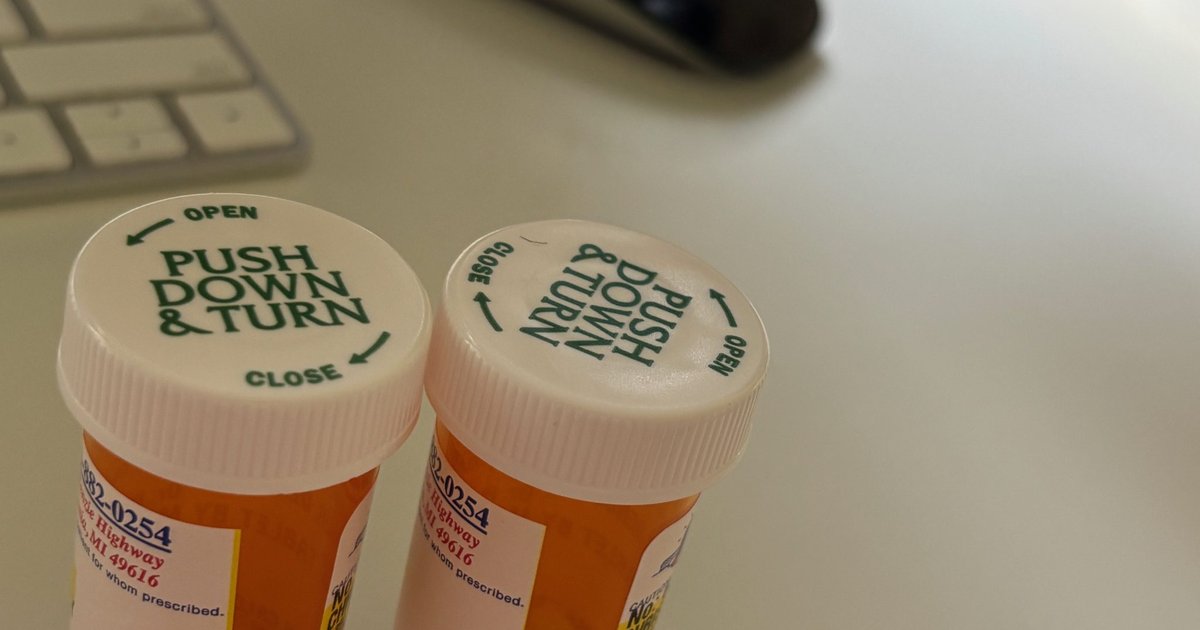
Prostate medicines are FDA-approved and had to prove they work; supplements are not approved and never had to. Alpha blockers improve the symptom score by 5 to 8 points, against 2 to 4 on placebo.7 Saw palmetto beat placebo by less than 1 point.11 Do not stop or change a prescribed medicine without your doctor.
Key takeaways
- The FDA does not approve dietary supplements for safety or effectiveness before they are sold, and many reach shelves without the agency even being notified.3
- The American Urological Association treats a change of more than 3 points on the symptom score as the smallest difference that counts. Alpha blockers clear it; saw palmetto's edge over placebo was 0.90 points across 1,681 men.7,11
- Finasteride cut the 4-year risk of acute urinary retention from 6.6 percent to 2.8 percent in its main trial. For beta-sitosterol, Cochrane reviewers call its ability to prevent BPH complications "not known."10,12
- When six saw palmetto products were lab-tested against their labels, content ranged from 97 percent below to 140 percent above the stated dose, and 3 had less than 20 percent of it.6
- Supplements are not interaction-free: saw palmetto may add to the effect of warfarin, and some kelp products carry iodine at up to several thousand times the daily upper limit.18,19
Before you compare anything: do not stop or change a prescribed medicine
Do not stop or change a prescribed medicine without your doctor. The FDA's own consumer guide says: "Do not substitute a dietary supplement for a prescription medicine."2 MedlinePlus says the same about tamsulosin in particular: "Do not stop taking tamsulosin without talking to your doctor."16
This page compares two categories, not brands: the prescription drugs a urologist uses for an enlarged prostate (benign prostatic hyperplasia, or BPH) and the over-the-counter supplements sold for "prostate support." If you are not yet sure your symptoms come from the prostate, start with our guide to enlarged prostate symptoms in men over 45.
What each side actually is
Prescription BPH medicines
The NIDDK lists the main classes: alpha blockers (tamsulosin, alfuzosin and others), which "relax the muscles in the bladder neck and prostate, making it easier to urinate," and 5-alpha reductase inhibitors (finasteride, dutasteride), which help stop the growth of the prostate or shrink it.21 Per the AUA guideline, 5-alpha reductase inhibitors shrink the gland by 15 to 25 percent measured at six months.7
Prostate supplements
The AUA names the usual ingredients: saw palmetto, Pygeum africanum, stinging nettle, zinc, selenium "and others," and notes that saw palmetto is "the most commonly found ingredient of such supplements."7 Most products blend several. We compare single ingredients in natural alternatives to Flomax and saw palmetto vs pygeum.
Regulation: who checked the bottle before it reached you?
Medication had to prove itself first
The NCCIH puts the difference in one sentence: companies "must show the FDA evidence that their prescription and over-the-counter drugs are safe and effective before the drugs are marketed."5 That is why a drug's FDA-approved label, like Flomax's, carries placebo-controlled trial results, side-effect tables and interaction warnings.9
Supplements are sold first and checked later, if at all
Supplements fall under a 1994 law, the Dietary Supplement Health and Education Act (DSHEA). The FDA's answer on approval is direct: "Under DSHEA, FDA does not have the authority to approve dietary supplements before they are marketed."1 It adds that "a firm does not have to provide FDA with the evidence it relies on to substantiate safety before or after it markets its products," with an exception for new dietary ingredients.1 In a separate guide the agency writes that "many dietary supplements can be marketed without even notifying the FDA."3 The FDA can act against an unsafe or mislabeled product only after it is on the market.5
That is also why every prostate supplement label that makes a structure or function claim must carry this sentence: "This statement has not been evaluated by the Food and Drug Administration. This product is not intended to diagnose, treat, cure, or prevent any disease."1,5
"Made in an FDA-registered facility" is not an approval
This line is on many prostate bottles. It is true of almost every maker, because factories that make or hold supplements for the U.S. market are required by law to register with the FDA.1 Registration is a filing, not a grade. The FDA says it does not issue certificates of registration and does not recognize ones issued by private businesses.4 In its guide to what "FDA approved" really means, the agency adds that it "does not approve manufacturing facilities independently."3 Our guide on how to read a prostate supplement label shows what to check instead.
Is the dose on the label the dose in the capsule?
A small Canadian study gives a rare look inside the bottle. Researchers bought prostate supplements at pharmacies and specialty stores and sent them for independent lab analysis. The six saw palmetto samples ranged from 97 percent below to 140 percent above the dose on the label, and three contained less than 20 percent of it.6 The study is from 2002 and small, so it says nothing about any bottle on the shelf today, but it shows why the label and the capsule are two separate questions.
How much each one helps, in numbers
Every serious BPH trial uses the same yardstick: the International Prostate Symptom Score (IPSS, also called the AUA Symptom Index). It runs from 0 to 35, and lower is better. Two facts make the numbers below readable.
- Placebo moves the score too. In the Flomax label trials, men on placebo improved by 5.5 points in one study and 3.6 in the other.9 The AUA expects 2 to 4 points from placebo alone.7 Only the gap over placebo belongs to the treatment.
- About 3 points is where men notice. In a Veterans Affairs trial of 1,218 men, those who rated themselves "slightly improved" had dropped 3.1 points on average.8 The AUA guideline uses a difference of more than 3 points as its minimum for a clinically meaningful effect.7
The number most comparisons leave out. Against placebo, saw palmetto's short-term benefit in the 2023 Cochrane review was 0.90 points (9 low-risk-of-bias studies, 1,681 men, high-certainty evidence).11 That is less than a third of the 3-point line the AUA uses to call a difference meaningful.7
| Option | What it is | What the studies showed | Evidence level | Source |
|---|---|---|---|---|
| Alpha blockers (tamsulosin and others) | Prescription; relax muscle at the bladder neck and prostate | Symptom score improves 5 to 8 points vs 2 to 4 on placebo. Tamsulosin 0.4 mg: 8.3 vs 5.5 points; peak flow +1.75 vs +0.52 mL/s at 13 weeks | High (AUA evidence Grade A) | AUA, Flomax label7,9 |
| 5-alpha reductase inhibitors (finasteride, dutasteride) | Prescription; shrink the prostate over months | Finasteride: symptom improvement of 3 to 4 points, held 6 to 10 years; 4-year retention risk 6.6% to 2.8%, surgery 10.1% to 4.6% | High (AUA strong recommendation, evidence Grade A, for preventing progression) | AUA, Proscar label7,10 |
| Combination (both classes) | Prescription; alpha blocker plus 5-ARI | Risk of overall progression cut 66% vs placebo in the MTOPS trial (up to 5.5 years), more than either drug alone | High (one large trial, over 3,000 men) | AUA7 |
| Saw palmetto | Berry extract of the American dwarf palm | 0.90 points better than placebo at 3 to 6 months; no difference at 12 to 17 months; two large independent trials (STEP and CAMUS) found no benefit | Negative (high-certainty evidence) | Cochrane 2023, AUA, NCCIH11,7,14 |
| Beta-sitosterol | Purified plant sterol | 4.9 points better than placebo in 2 trials; peak flow +3.91 mL/s (4 trials, 519 men, 4 to 26 weeks) | Weak to moderate (small, from the 1990s) | Cochrane 199912 |
| Pygeum | Bark extract of the African plum tree | Men about twice as likely to report improvement; peak flow +23%; 18 trials averaging 64 days; none against a prescription drug | Weak | Cochrane 200213 |
| Blends with several herbs | Saw palmetto combined with other plant extracts | 2.41 points better than placebo in 4 small studies (460 men); reviewers said this may mean little to no difference, low-certainty evidence | Weak | Cochrane 202311 |
Two caveats. Beta-sitosterol's 4.9 points clear the 3-point line, but from two small trials, and its "long term effectiveness, safety and ability to prevent BPH complications are not known."12 And the NCCIH sees only "some limited evidence" for stinging nettle and pygeum.15 None has been tested at the size and length of the drug trials.13
The difference that gets less attention: preventing the bad outcomes
BPH can also progress to acute urinary retention, a sudden inability to urinate, or to surgery. In the 4-year PLESS trial on the Proscar label, finasteride lowered the risk of retention from 6.6 to 2.8 percent and the risk of surgery from 10.1 to 4.6 percent.10 The AUA gives 5-alpha reductase inhibitors, alone or with an alpha blocker, its strongest recommendation for preventing progression.7 No supplement has data like this. That matters most for men with a large prostate, where the AUA notes that progression is faster.7
How long each one takes to work
- Alpha blockers: days to weeks. In the Flomax trials, symptom scores dropped quickly, starting about one week after dosing.9 The AUA says a first follow-up visit can be as early as four weeks.7
- 5-alpha reductase inhibitors: months. The Proscar label says "a therapeutic trial of at least 6 months was generally necessary" to judge the response.10 The AUA suggests the first follow-up within three to six months and warns patients to expect slower relief than with alpha blockers.7
- Supplements: judged on short trials. Saw palmetto's short-term results cover 3 to 6 months, and at 12 to 17 months it still showed no difference from placebo.11 Pygeum's trials averaged 64 days, beta-sitosterol's ran 4 to 26 weeks.13,12
If you and your doctor agree to try a supplement, fill out the IPSS before you start and again 4 to 12 weeks later. The AUA's 2026 guideline asks for a re-evaluation within six months of any new treatment, so a 4 to 12 week check is an early read, not the official deadline.22 If the score has not dropped by at least 3 points, you have your answer.
Side effects, side by side
What the drug labels report
Drug labels list side effects against placebo. On tamsulosin 0.4 mg, dizziness was reported by 14.9 percent of men (10.1 percent on placebo) and abnormal ejaculation by 8.4 percent (0.2 percent on placebo).9 The label also warns about dizziness on standing and about using it with erectile dysfunction pills.9 The AUA advises men with planned cataract surgery to discuss alpha blockers with their eye surgeon.7
On finasteride, in the first year of PLESS, impotence was reported by 8.1 percent (3.7 percent on placebo) and decreased libido by 6.4 percent (3.4 percent). In years 2 to 4, impotence rates were the same in both groups, 5.1 percent.10 The label also warns that 5-alpha reductase inhibitors may increase the risk of high-grade prostate cancer, and the AUA asks doctors to explain these risks before starting one.10,7
What the supplement research reports
The NCCIH calls saw palmetto well tolerated, used safely in studies for up to 3 years, with mild and infrequent side effects such as digestive symptoms, dizziness and headache.14 In the Cochrane review, adverse events were about as common as on placebo (risk ratio 1.01).11 Pygeum's side effects were "mild and comparable to placebo."13 On side effects, supplements usually look better, which is not surprising for products that barely separate from placebo on benefit either.
Interactions: the part most comparisons skip
The FDA warns that some supplements "can interact with medications, interfere with lab tests, or have dangerous effects during surgery."2 For men over 45, a few come up most.
Blood thinners such as warfarin
MedlinePlus tells warfarin users to report every vitamin, supplement and herbal product, "as some of these products may increase the risk for bleeding while you are taking warfarin."17 Memorial Sloan Kettering lists saw palmetto as possibly increasing bruising and bleeding with warfarin and other blood thinners, and describes additive anticoagulant effects in case reports.18 The Flomax label adds its own note: interactions with warfarin were not fully studied, and "caution should be exercised."9
Thyroid medicine, iodine and kelp
Some prostate and "men's health" blends include kelp or other seaweed, which is a source of iodine. The American Thyroid Association says that many iodine and kelp supplements contain iodine "in amounts that are up to several thousand times higher than the daily Tolerable Upper Limits," that taking more than 1,100 mcg a day "may cause thyroid dysfunction," and that the elderly and people with existing thyroid disease are especially susceptible. It advises against kelp and iodine supplements with more than 500 mcg of iodine a day.19 If you take levothyroxine, MedlinePlus asks you to tell your doctor and pharmacist about every supplement and herbal product.20 We cover this in detail in kelp supplements and your thyroid.
Prostate drugs have interactions too
The difference is that a drug's interactions are studied and printed on the label: tamsulosin should not be combined with strong CYP3A4 inhibitors such as ketoconazole, and with erectile dysfunction pills it can lower blood pressure.9
PSA tests
Finasteride lowers PSA by about 50 percent within six months, so the label says a new PSA baseline should be set after starting it.10 Saw palmetto does not appear to affect PSA readings, according to the NCCIH.14
What about cost?
We do not print monthly prices, because we could not verify one that would stay true for long: drug prices change by pharmacy, insurance and discount card, and supplement prices change with every promotion. Ask your pharmacist for the cash price and your copay for 30 days of the drug, compare it with the supplement's cost for 30 days including shipping, and weigh each against what the research says it does.
When each one makes sense
When medication makes sense
The AUA recommends offering an alpha blocker to men with bothersome, moderate to severe symptoms, and a 5-alpha reductase inhibitor, alone or with an alpha blocker, to lower the risk of retention and surgery in men with an enlarged gland.7 If your symptoms disrupt your days or your prostate is large, this is where the evidence is.
When a supplement is a reasonable conversation
If your symptoms are mild, your exam and urine test were clean, you are not on a BPH drug, and you want to try something before a prescription, a supplement is a defensible choice to discuss with your doctor, as long as you go in with realistic expectations and a way to measure the result. If you already take a BPH drug, a supplement is at most an add-on your doctor has cleared, never a swap.
When neither comes first
For every man with these symptoms, the AUA's 2026 guideline says behavioral and lifestyle steps should be explored before or alongside medication,22 and its previous version names less fluid before bed or travel, less caffeine and alcohol, avoiding constipation, and similar habits.7 We grade all of them, supplements included, in natural remedies for enlarged prostate, graded by evidence.
Red flags: see a doctor before choosing anything
The NIDDK says to tell a health care professional right away if you cannot urinate at all; have painful, frequent and urgent urination with fever and chills; have blood in your urine; or have great discomfort or pain in your lower abdomen or urinary tract.21 None of these is a moment to compare supplements and drugs on your own.
Where a supplement fits
On the evidence, a supplement is not a replacement for prostate medication, and nothing on this page has been shown to match an alpha blocker or to prevent retention the way a 5-alpha reductase inhibitor does. A supplement fits a narrower spot: mild symptoms, red flags ruled out by a doctor, no drug being stopped, a label you have checked, and the IPSS taken before and again 4 to 12 weeks later.
If your doctor has ruled out the red flags and you want to try a supplement that comes with a money-back guarantee, ProtoFlow is the one we analyzed in full. Its maker says it "supports the normal functions of the bladder, prostate and reproductive system". Our analysis checks that claim against the label, the published research and the refund terms.
A practical plan for this week
- Keep taking any prescribed medicine exactly as prescribed. Do not stop or change it without your doctor.16
- Fill out the IPSS today and write the number down. It is the same score every trial above used, and your doctor can repeat it at follow-up.7
- List everything you take, including vitamins and anything with kelp or iodine. Bring the bottles.
- If you take warfarin or thyroid medicine, ask your pharmacist before adding any prostate supplement.17,20
- Start the basic habits tonight: fewer fluids in the evening, less caffeine and alcohol, and double voiding.7
- Ask your doctor three questions: "Is my prostate large enough that a 5-alpha reductase inhibitor would lower my risk of retention?" "If a side effect bothers me, what are my options?" "Is there a supplement you are comfortable with me testing?"
If night trips to the bathroom are your main complaint, read how many times a night is normal to urinate first, because most nighttime urination has causes that neither a prostate drug nor a supplement fixes.
Frequently asked questions
Are prostate supplements as good as prescription medication?
Not on the current evidence. Alpha blockers, the most common prostate drugs, improve the 35-point symptom score by 5 to 8 points against 2 to 4 points on placebo, according to the American Urological Association. In a 2023 Cochrane review, saw palmetto, the most common supplement ingredient, improved it by less than 1 point more than placebo. Beta-sitosterol and pygeum have small positive trials, but they are short, old and never compared head to head with the drugs.
Are prostate supplements FDA approved?
No. The FDA says it does not approve dietary supplements for safety and effectiveness before they are sold, and that many can be marketed without even notifying the agency. A label that says "made in an FDA-registered facility" describes a legal registration requirement for the factory, not an approval of the product.
Can I stop my prostate medication and take a supplement instead?
Do not stop or change a prescribed medicine without your doctor. The FDA itself advises people not to substitute a dietary supplement for a prescription medicine. If side effects or cost are the problem, your doctor can switch the drug, change the dose or plan a supervised trial off it.
Can I take saw palmetto with tamsulosin or finasteride?
Ask your doctor or pharmacist first. The NCCIH advises anyone taking medicine to talk with a health care provider before using any herbal product, because some herbs and medicines interact in harmful ways. Saw palmetto is generally well tolerated, but the evidence that it adds a meaningful benefit is weak.
Do prostate supplements interact with blood thinners?
Some may. Memorial Sloan Kettering lists saw palmetto as possibly increasing bruising and bleeding in people taking warfarin or other blood thinners, based on case reports. MedlinePlus tells warfarin users to report every vitamin, supplement and herbal product, because some of them may raise the risk of bleeding.
How long does it take for a prostate supplement to work compared with medication?
Tamsulosin started lowering symptom scores about one week after the first dose in its label trials. Finasteride usually needs a trial of at least 6 months. Most supplement trials lasted 1 to 6 months, and saw palmetto still matched placebo at 12 to 17 months. The AUA's 2026 guideline asks for a re-evaluation within six months of starting any treatment.
Do prostate supplements affect PSA test results?
Saw palmetto does not appear to affect PSA readings, according to the NCCIH. Finasteride does: its label says it lowers PSA by about 50 percent within six months, so a new PSA baseline is needed. Tell whoever orders your PSA test about every pill and supplement you take.
Sources
- U.S. Food and Drug Administration. Questions and Answers on Dietary Supplements. https://www.fda.gov/food/information-consumers-using-dietary-supplements/questions-and-answers-dietary-supplements
- U.S. Food and Drug Administration, Consumer Updates. FDA 101: Dietary Supplements. https://www.fda.gov/consumers/consumer-updates/fda-101-dietary-supplements
- U.S. Food and Drug Administration, Consumer Updates. Is It Really 'FDA Approved'? Updated May 4, 2026. https://www.fda.gov/consumers/consumer-updates/it-really-fda-approved
- U.S. Food and Drug Administration. Questions Regarding Whether Food Facilities are Required to Pay Registration Fees and Private Businesses Claiming or Suggesting an Affiliation with FDA. https://www.fda.gov/food/guidance-regulation-food-and-dietary-supplements/questions-regarding-whether-food-facilities-are-required-pay-registration-fees-and-private
- National Center for Complementary and Integrative Health (NIH). Using Dietary Supplements Wisely. https://www.nccih.nih.gov/health/using-dietary-supplements-wisely
- Feifer AH, Fleshner NE, Klotz L. Analytical accuracy and reliability of commonly used nutritional supplements in prostate disease. Journal of Urology. 2002;168(1):150-154. PMID 12050511. https://pubmed.ncbi.nlm.nih.gov/12050511/ (full abstract with the saw palmetto figures: https://europepmc.org/article/MED/12050511)
- American Urological Association. Management of Lower Urinary Tract Symptoms Attributed to Benign Prostatic Hyperplasia: AUA Guideline (2021, amended 2023), unabridged. Previous version, replaced on May 7, 2026. https://www.auanet.org/documents/Guidelines/PDF/2023%20Guidelines/BPH%20Unabridged%2002-20-24%20Final.pdf
- Barry MJ, Williford WO, Chang Y, et al. Benign prostatic hyperplasia specific health status measures in clinical research: how much change in the American Urological Association symptom index and the benign prostatic hyperplasia impact index is perceptible to patients? Journal of Urology. 1995;154(5):1770-1774. PMID 7563343. https://pubmed.ncbi.nlm.nih.gov/7563343/
- U.S. National Library of Medicine, DailyMed. FLOMAX (tamsulosin hydrochloride) capsules: Prescribing Information. Revised January 2019. https://dailymed.nlm.nih.gov/dailymed/drugInfo.cfm?setid=6771ad8e-ac92-4aec-b484-5d8350a353f8
- U.S. National Library of Medicine, DailyMed. PROSCAR (finasteride) tablets: Prescribing Information. Revised March 2026. https://dailymed.nlm.nih.gov/dailymed/drugInfo.cfm?setid=6f988153-fc74-4ca4-b29a-111f750c4a4b
- Franco JVA, Trivisonno L, Sgarbossa NJ, et al. Serenoa repens for the treatment of lower urinary tract symptoms due to benign prostatic enlargement. Cochrane Database of Systematic Reviews. 2023;6:CD001423. PMID 37345871. https://pubmed.ncbi.nlm.nih.gov/37345871/
- Wilt T, Ishani A, MacDonald R, et al. Beta-sitosterols for benign prostatic hyperplasia. Cochrane Database of Systematic Reviews. 1999;(2):CD001043. PMID 10796740. https://pubmed.ncbi.nlm.nih.gov/10796740/
- Wilt T, Ishani A, MacDonald R, et al. Pygeum africanum for benign prostatic hyperplasia. Cochrane Database of Systematic Reviews. 2002;(1):CD001044. PMID 11869585. https://pubmed.ncbi.nlm.nih.gov/11869585/
- National Center for Complementary and Integrative Health (NIH). Saw Palmetto. Last updated April 2025. https://www.nccih.nih.gov/health/saw-palmetto
- National Center for Complementary and Integrative Health (NIH). 5 Tips: What You Should Know About Complementary Health Approaches for BPH. https://www.nccih.nih.gov/health/tips/tips-what-you-should-know-about-complementary-health-approaches-for-bph
- MedlinePlus (NIH National Library of Medicine). Tamsulosin: Drug Information. Last revised December 15, 2025. https://medlineplus.gov/druginfo/meds/a698012.html
- MedlinePlus (NIH National Library of Medicine). Warfarin: Drug Information. Last revised March 15, 2026. https://medlineplus.gov/druginfo/meds/a682277.html
- Memorial Sloan Kettering Cancer Center, About Herbs. Saw Palmetto. Updated October 16, 2023. https://www.mskcc.org/cancer-care/integrative-medicine/herbs/saw-palmetto
- American Thyroid Association. ATA Statement on the Potential Risks of Excess Iodine Ingestion and Exposure. June 5, 2013. https://www.thyroid.org/ata-statement-on-the-potential-risks-of-excess-iodine-ingestion-and-exposure/
- MedlinePlus (NIH National Library of Medicine). Levothyroxine: Drug Information. Last revised February 15, 2019. https://medlineplus.gov/druginfo/meds/a682461.html
- National Institute of Diabetes and Digestive and Kidney Diseases (NIH). Enlarged Prostate (Benign Prostatic Hyperplasia). https://www.niddk.nih.gov/health-information/urologic-diseases/prostate-problems/enlarged-prostate-benign-prostatic-hyperplasia
- American Urological Association. Management of Lower Urinary Tract Symptoms Attributed to Benign Prostatic Hyperplasia: AUA Guideline (2026), Parts I to III. Released May 7, 2026; replaces the 2021 guideline amended in 2023. https://www.auanet.org/2026BPHGuideline. Recommendations as quoted by Guideline Central: https://www.guidelinecentral.com/insights/may-2026-aua-lowerurinarytractsymptoms-guideline-video/

About the author
Alice Hess is a health researcher and wellness writer at ProstateClarity. She is not a doctor, a nurse, a nutritionist or any kind of licensed clinician, and nothing here is medical advice. She started this work because of her father: at 76 he was getting up several times a night, and the research she did for him helped him get back to sleeping through the night. One man's story is not evidence, which is why every guide here is built on published research. She reads labels, primary research and regulatory limits, and publishes the numbers manufacturers leave out. More about her work and how these articles are researched.
Found an error? Write to contact@prostateclarity.com with the sentence and the source that contradicts it. Corrections are made in the article with the date noted.