Why Prostate Symptoms Get Worse in Cold Weather, and What Helps
Affiliate disclosure: some links on this site are affiliate links. If you buy through them we may earn a commission at no extra cost to you. That never changes what the research says, and we publish negative findings about products we link to. This article is informational and is not medical advice.
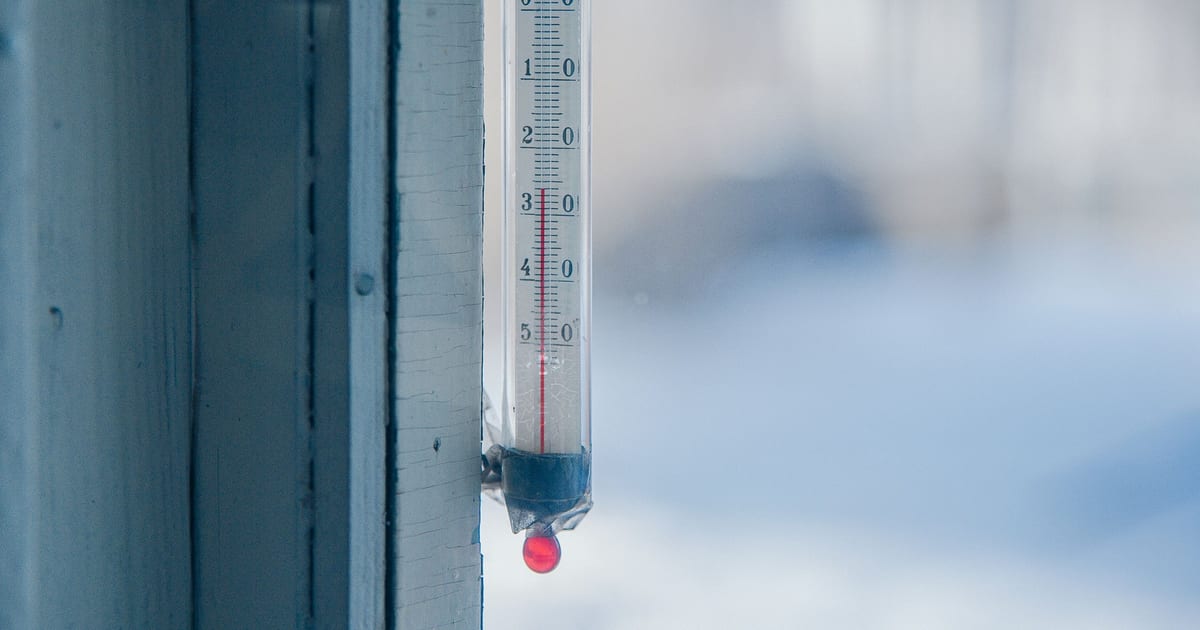
Yes, cold weather can make enlarged prostate symptoms worse. MedlinePlus says cold weather may worsen symptoms.1 In a Finnish survey of 2,064 men aged 50 to 70, one in six reported seasonal changes, and 81 percent of them said winter was worst.2 Keeping warm is a sensible first step.
If you get up more at night from November to March, or feel the urge to go the moment you step outside, you are not imagining it. Several studies have now measured the winter effect, and they agree on which symptoms change and which do not. This guide puts those numbers together, explains the likely reason, and lists what you can do at home. For the full picture of urinary symptoms, start with our guide to enlarged prostate symptoms.
Key takeaways
- In a survey of 2,064 Finnish men, 17.1 percent reported seasonal changes in urinary symptoms; of those, 81 percent said winter was worse and 93 percent felt relief in summer.2
- Among 412 Japanese men treated for BPH who noticed a seasonal change in frequency, 69.8 percent said it was worse in winter versus 20.7 percent in summer.3
- In 164 men measured in both seasons, only nighttime urination rose significantly in winter; flow tests did not change.4
- Each 1 °C (1.8 °F) drop in daytime indoor temperature was linked to 7.5 percent higher odds of waking 2 or more times a night, in 1,065 adults aged 60 and older.5
- In a Seoul emergency department study of 818 men, the highest seasonal rate of sudden urinary retention was in winter.7
Does cold weather make an enlarged prostate worse?
For a meaningful share of men, yes. The official guidance is short: in its self-care advice for an enlarged prostate, MedlinePlus says, "Keep warm and exercise regularly. Cold weather and lack of physical activity may worsen symptoms."1 Most pages stop there. The research behind that sentence is more interesting, because it shows the effect is real but uneven.
| Study | Who | What it found |
|---|---|---|
| Tampere Aging Male Urologic Study, Finland (2021)2 | 2,064 men aged 50 to 70 who answered a mailed survey | 17.1% reported seasonal variation; 81% of them said winter was worst; men with more severe symptoms were more likely to notice it |
| Kurokawa et al., Japan (2020)3 | 412 men taking alpha blockers for BPH | 59.0% noticed seasonal changes in frequency and 36.7% in stream; among them, winter was blamed far more often than summer |
| Kobayashi et al., Japan (2017)4 | 164 men aged 50+ on alpha blockers, tested in summer and winter | Total IPSS did not differ; nighttime urination was significantly higher in winter; flow measurements did not change |
| Saeki et al., HEIJO-KYO study, Japan (2016)5 | 1,065 adults aged 60+ with home temperature measured for 48 hours | Each 1 °C lower daytime indoor temperature: odds ratio 1.075 for nocturia |
| Lee et al., Korea (2018)7 | 818 patients treated for sudden urinary retention | Winter had the highest seasonal rate and October the highest monthly rate; daily temperature range and wind speed were risk factors |
Two things stand out. First, most men do not notice any seasonal swing; in Finland it was about one man in six.2 Second, the men who do notice tend to be the ones with more severe symptoms to begin with.2,3 If your symptoms are mild, winter may not change much. If they are already bothersome, it is more likely to.
Which symptoms get worse in winter?
Frequency and nighttime trips
The most consistent finding is more trips to the bathroom, especially at night. In the Japanese survey, among men who noticed seasonal changes in frequency, 69.8 percent said it was worse in winter and 20.7 percent in summer.3 In the study that measured the same 164 men in both seasons, nighttime urination was the only one of the seven IPSS symptoms that was significantly higher in winter.4 If winter nights are your problem, our guide on how many times a night is normal to urinate covers the other causes too.
The stream: felt, but not measured
Men also report a weaker stream in the cold. Among men in the Japanese survey who noticed seasonal stream changes, 59.8 percent said it was weaker in winter versus 26.2 percent in summer.3 Yet when the other team measured flow rate, voided volume and leftover urine in both seasons, none of those numbers changed.4 The authors suggest that in winter, how men feel and what the tests show drift apart.4 That does not make the feeling less real; it suggests the cold acts more on the urge side than on the plumbing.
It is about feeling cold, not the calendar
One detail most articles miss: in the Japanese survey, even in summer, 56.3 percent of men said they had more frequent urination when they felt cold. Even in winter, 69.4 percent said their frequency fell when they felt warm.3 Your body temperature seems to matter more than the date, which is good news, because you can change it.
Why does cold make you need to pee more?
The exact mechanism in humans is not settled. The researchers behind the indoor temperature study proposed cold-induced overactivity of the detrusor, the bladder's emptying muscle, as a possible explanation.5 A later paper from the same Japanese group notes that cold exposure induces urinary symptoms including nocturia, and that in rats, cold-induced bladder overactivity can be reduced by raising skin temperature.6 Rat findings do not prove the same thing happens in men, but they fit the human pattern: the urge side of the bladder reacts to cold more than the flow side does.4
The indoor temperature study is the most practical of these. The researchers measured the temperature of living rooms and bedrooms for 48 hours in 1,065 people aged 60 and older. Each 1 °C (1.8 °F) drop in daytime indoor temperature was associated with 7.5 percent higher odds of nocturia, independent of outdoor temperature, age, medicines, sleep and other factors.5 The authors concluded that nocturia "could be reduced by modification of the indoor thermal environment."5 That is an association, not a trial, but it points at something you control: the thermostat.
The winter risks men do not connect to the prostate
Sudden urinary retention
Acute urinary retention means suddenly not being able to urinate, and it needs care right away.8 A Korean emergency department study of 818 patients found the highest seasonal rate of spontaneous retention in winter and the highest monthly rate in October. A wide temperature swing within a day and higher wind speed were risk factors, and cold temperature provoked retention in men who were older and had higher symptom scores.7
Cold and flu medicines
Winter is also when men reach for cold remedies. MedlinePlus advises men with an enlarged prostate to try not to take over-the-counter cold and sinus medicines that contain decongestants or antihistamines,1 and lists cold and allergy remedies among the products that can make urination hard to start.10 Our guide to cold and allergy medicine with an enlarged prostate goes through which products to check.
How to keep prostate symptoms down when it is cold
The AUA's 2026 guideline says: "Behavioral and lifestyle interventions should be explored before or alongside pharmacologic treatment."11 These are the winter versions.
- Keep the house warm in the daytime, not just the bedroom at night. The association in the indoor temperature study was with daytime temperature.5
- Take a warm bath an hour or two before bed. In 1,051 older Japanese adults, hot-water bathing was linked to lower odds of nocturia (odds ratio 0.68), and compared with the longest gap between bath and bed, a gap of about 61 to 160 minutes was linked to lower odds.6 This was an observational study, so it shows a link rather than proof.
- Dress for the cold when you go out. Men in the Japanese survey linked feeling cold to more frequent urination even in summer.3
- Keep moving indoors. MedlinePlus pairs cold weather with lack of physical activity as things that may worsen symptoms.1 Our guide to walking for prostate health has a plan you can do on a treadmill or in a mall.
- Watch hot drinks in the evening. MedlinePlus advises avoiding caffeine and alcohol, especially after dinner, and avoiding fluids within 2 hours of bedtime.1 Hot coffee and holiday drinks count. See the best and worst drinks for an enlarged prostate.
- Read the box before you take a cold remedy. Look for decongestants and antihistamines.1
- Make each trip count. Sitting down and double voiding can help you empty more completely. Our guide on sitting to pee with an enlarged prostate explains the evidence.
Do sitz baths help an enlarged prostate?
A sitz bath is a shallow warm soak for the hips and pelvis. The NIDDK lists warm sitz baths and local heat with hot water bottles or heating pads as ways to ease pain and discomfort in chronic prostatitis, a different condition from BPH.9 MedlinePlus suggests heat on the lower belly or a warm bath to help urination get started.10 We did not find a trial showing that sitz baths change BPH symptoms over time. The honest summary: warmth can bring short-term relief and costs little, but do not expect a lasting change from it.
When winter symptoms are not just the cold
Cold can make existing symptoms worse. It should not create new alarming ones. The NIDDK says to get care right away if you cannot urinate at all, have painful, frequent and urgent urination with fever and chills, have blood in your urine, or have great discomfort or pain in your lower abdomen or urinary tract.8 Fever with urinary symptoms can point to an infection rather than the season.
For everything else, MedlinePlus says to contact your provider if self-care steps have not helped after 2 months.1 A winter visit is also a good time to bring a list of every medicine you take, including the cold remedies in your cabinet.
Track your symptoms through the season
Score yourself on our IPSS score calculator in the fall and again in midwinter. Look at question 7 (nighttime urination) separately from the total: in the study that measured men in both seasons, the total score held steady while nighttime urination rose.4 If your total jumps by several points, or new symptoms appear, that is worth a visit rather than waiting for spring.
Winter, the prostate, and where a supplement fits
Warmth helps the urge side of the problem. It does not change the underlying reason many men over 50 have these symptoms, which is usually an enlarged prostate narrowing the outlet.8 That is when some men start looking at supplements, and this site reviews them, so here is the evidence in one paragraph.
For saw palmetto, the most studied ingredient, the 2023 Cochrane review of 27 studies with 4,656 men concluded that it "alone provides little to no benefits" for urinary symptoms, and that there is more uncertainty about combinations with other plant extracts.12 No study we found tested a supplement specifically against winter worsening. No supplement treats, cures or prevents BPH. If you try one, do it after your checkup, keep the winter habits above, and judge it by your symptom score. Do not stop or change a prescribed medicine without your doctor.
If your doctor has ruled out the red flags and you want to try a supplement that comes with a money-back guarantee, ProtoFlow is the one we analyzed in full. Its maker says it "supports the normal functions of the bladder, prostate and reproductive system". Our analysis checks that claim against the label, the published research and the refund terms.
A practical plan for this winter
- This week: take the IPSS calculator and write down the total and your answer to question 7.
- At home: keep the rooms you spend the day in warm, not only the bedroom.
- Evenings: a warm bath one to two hours before bed; no caffeine or alcohol after dinner; most fluids before the last 2 hours.
- Outdoors: dress warmly and keep walking, indoors if needed.
- Medicine cabinet: check cold and sinus products for decongestants and antihistamines before you need them.
- Midwinter: score yourself again. Bring both scores to your next visit.
- Anytime: if you cannot urinate, have fever and chills, or see blood, get care now.
Frequently asked questions
Does cold weather make an enlarged prostate worse?
It can. MedlinePlus says cold weather may worsen enlarged prostate symptoms. In a Finnish survey of 2,064 men aged 50 to 70, 17.1 percent reported seasonal changes in urinary symptoms, and 81 percent of those said winter was the worst time. Men with more severe symptoms were more likely to notice the change.
Why do I pee more when I am cold?
The mechanism in humans is not fully settled. Researchers have proposed cold-induced overactivity of the bladder muscle, and rat studies show that warming the skin reduces this effect. In a Japanese study of 1,065 adults aged 60 and older, each 1 degree Celsius drop in daytime indoor temperature was linked to 7.5 percent higher odds of nocturia.
Which prostate symptoms get worse in winter?
Mostly frequency and nighttime urination. In a study that measured 164 men treated for BPH in summer and winter, nighttime urination was the only one of the seven IPSS symptoms that rose significantly in winter. Men also report a weaker stream in the cold, but flow measurements did not change between seasons.
Can cold weather cause urinary retention?
It may raise the risk. In a Korean study of 818 patients treated for sudden urinary retention, the highest seasonal rate was in winter and the highest monthly rate in October, and cold temperature provoked retention in older men with higher symptom scores. Being unable to urinate at all needs medical care right away.
Does a warm bath help prostate symptoms?
It may help in the short term. MedlinePlus suggests a warm bath or heat on the lower belly to help urination start, and in older Japanese adults, hot-water bathing one to two and a half hours before bed was linked to less nocturia. That was an observational study, and no trial has shown a lasting effect on BPH.
Should I avoid cold medicine if I have an enlarged prostate?
Check the label first. MedlinePlus advises men with an enlarged prostate to try not to take over-the-counter cold and sinus medicines that contain decongestants or antihistamines, because they can make urinary symptoms worse. Ask a pharmacist or your doctor which products are safer for you, and do not stop any prescribed medicine on your own.
Sources
- MedlinePlus Medical Encyclopedia (NIH National Library of Medicine). Enlarged prostate. https://medlineplus.gov/ency/article/000381.htm
- Pöyhönen A, Åkerla J, Koskimäki J, et al. Seasonal changes in occurrence and severity of lower urinary tract symptoms: Tampere Aging Male Urologic Study (TAMUS). Lower Urinary Tract Symptoms. 2021;13(2):216-223. https://pubmed.ncbi.nlm.nih.gov/33034153/
- Kurokawa S, Kamei J, Sakata K, et al. Questionnaire survey assessing seasonal changes in lower urinary tract symptoms in men with benign prostate hyperplasia. Turkish Journal of Urology. 2020;46(6):468-473. https://pmc.ncbi.nlm.nih.gov/articles/PMC7608542/
- Kobayashi M, Nukui A, Kamai T. Seasonal Changes in Lower Urinary Tract Symptoms in Japanese Men With Benign Prostatic Hyperplasia Treated With Alpha-1 Blockers. International Neurourology Journal. 2017;21(3):197-203. https://pmc.ncbi.nlm.nih.gov/articles/PMC5636957/
- Saeki K, Obayashi K, Kurumatani N. Indoor cold exposure and nocturia: a cross-sectional analysis of the HEIJO-KYO study. BJU International. 2016;117(5):829-835. https://pubmed.ncbi.nlm.nih.gov/26395287/
- Tai Y, Obayashi K, Okumura K, et al. Association Between Before-bedtime Passive Body Heating and Nocturia During the Cold Season Among Older Adults. Journal of Epidemiology. 2023;33(8):398-404. https://pmc.ncbi.nlm.nih.gov/articles/PMC10319524/
- Lee KS, Koo KC, Lee SH, et al. Effect of Climatic Parameters on Acute Urinary Retention Incidence. Lower Urinary Tract Symptoms. 2018;10(3):297-302. https://pubmed.ncbi.nlm.nih.gov/28707361/
- National Institute of Diabetes and Digestive and Kidney Diseases (NIH). Enlarged Prostate (Benign Prostatic Hyperplasia). https://www.niddk.nih.gov/health-information/urologic-diseases/prostate-problems/enlarged-prostate-benign-prostatic-hyperplasia
- National Institute of Diabetes and Digestive and Kidney Diseases (NIH). Prostatitis: Inflammation of the Prostate. https://www.niddk.nih.gov/health-information/urologic-diseases/prostate-problems/prostatitis-inflammation-prostate
- MedlinePlus Medical Encyclopedia (NIH National Library of Medicine). Urination: difficulty with flow. https://medlineplus.gov/ency/article/003143.htm
- American Urological Association. Management of Lower Urinary Tract Symptoms Attributed to Benign Prostatic Hyperplasia: AUA Guideline (2026). Released May 7, 2026; replaces the 2021 guideline amended in 2023. https://www.auanet.org/2026BPHGuideline. Recommendations as quoted by Guideline Central: https://www.guidelinecentral.com/insights/may-2026-aua-lowerurinarytractsymptoms-guideline-video/
- Franco JVA, Trivisonno L, Sgarbossa NJ, et al. Serenoa repens for the treatment of lower urinary tract symptoms due to benign prostatic enlargement. Cochrane Database of Systematic Reviews. 2023;6(6):CD001423. https://pubmed.ncbi.nlm.nih.gov/37345871/

About the author
Alice Hess is a health researcher and wellness writer at ProstateClarity. She is not a doctor, a nurse, a nutritionist or any kind of licensed clinician, and nothing here is medical advice. She started this work because of her father: at 76 he was getting up several times a night, and the research she did for him helped him get back to sleeping through the night. One man's story is not evidence, which is why every guide here is built on published research. She reads labels, primary research and regulatory limits, and publishes the numbers manufacturers leave out. More about her work and how these articles are researched.
Found an error? Write to contact@prostateclarity.com with the sentence and the source that contradicts it. Corrections are made in the article with the date noted.