Foods to Avoid With an Enlarged Prostate
Affiliate disclosure: some links on this site are affiliate links. If you buy through them we may earn a commission at no extra cost to you. That never changes what the research says, and we publish negative findings about products we link to. This article is informational and is not medical advice.
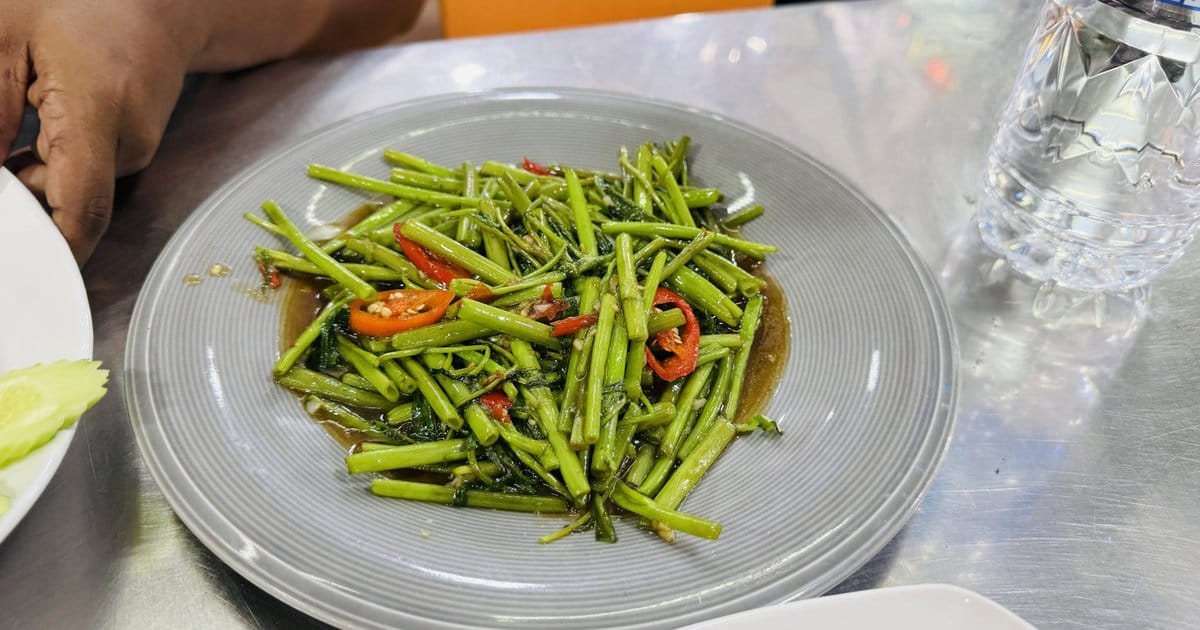
No single food has been shown to enlarge or shrink the prostate.1 The foods worth limiting are highly seasoned or irritating foods, very salty foods, and a diet heavy in red meat, fat and calories, because they are tied to worse symptoms or to weight gain.2,4 Eating more vegetables has the best support.
Key takeaways
- In the Prostate Cancer Prevention Trial (4,770 men, 7 years), eating red meat daily meant 38 percent higher risk of symptomatic BPH than less than once a week, and 4 or more servings of vegetables a day meant 32 percent lower risk than less than one.4
- A 2025 systematic review of 51 studies found only 1 study on spicy food and no consistent evidence that any of the six "bladder irritants" on the NIH list worsen overactive bladder symptoms.5
- In a Japanese study, 223 patients who cut their salt intake went from 2.3 to 1.4 bathroom trips a night on average. Patients who did not cut salt did not improve.11
- In 422 men from the Baltimore Longitudinal Study of Aging, men with a BMI of 35 or more had 3.52 times the odds of an enlarged prostate on MRI compared with normal-weight men.14
- In the Look AHEAD trial, overweight men with type 2 diabetes who lost 9.4 percent of their weight had 38 percent lower odds of leaking urine a year later, but no change in nighttime or daytime trips.17
Can food really make an enlarged prostate worse?
An enlarged prostate, called benign prostatic hyperplasia or BPH, affects about 5 to 6 percent of men aged 40 to 64 and 29 to 33 percent of men 65 and older, according to the NIDDK.1 Many "foods to avoid" lists read as if a plate of chili could make the gland grow. The science does not say that.
The NIDDK says researchers have not found that diet causes or prevents BPH, but that changes in eating could help lessen some symptoms.1 The American Urological Association's 2026 guideline says behavioral and lifestyle interventions should be explored before or alongside medication,22 and its previous version names limiting "bladder irritants, such as highly seasoned or irritative foods," along with avoiding constipation, more physical activity and weight loss.2
Food may irritate the bladder today and, over years, it moves weight and blood sugar. If you are not yet sure your symptoms come from the prostate, start with our guide to enlarged prostate symptoms. Drinks are graded separately in our guide to the best drinks for an enlarged prostate.
Which foods to avoid have real evidence, and which are folklore?
Evidence levels: Guideline means AUA or NIH advice. Observational means a link that cannot prove cause. Mixed means studies disagree. Weak means small, indirect or from other conditions.
| Food | Why people say to avoid it | What the studies showed | Level | Source |
|---|---|---|---|---|
| Spicy, highly seasoned food | Said to irritate the bladder | On the AUA and NIDDK lists. A 2025 review found only 1 study on spicy food and no consistent link to bladder symptoms. | Guideline, weak data | 2,3,5 |
| Acidic food (tomatoes, citrus) | Acid may irritate the bladder | On the NIDDK list. The review found only 2 studies on high-acid foods, with mixed results. | Guideline, weak data | 3,5 |
| Chocolate | Contains caffeine, may irritate | On the NIDDK list. Only 3 studies found, no consistent link. | Weak | 3,5 |
| Red meat | Linked to hormones and inflammation | Daily red meat tied to 38 percent higher BPH risk in the PCPT. An Australian study found the opposite. | Mixed | 4,8 |
| High-fat diet | Said to feed prostate growth | Highest fat intake tied to 31 percent higher risk in the PCPT; no link for total fat in a Harvard cohort. | Mixed | 4,7 |
| High-fat dairy | Dairy is blamed for prostate problems | More high-fat dairy tied to more BPH surgery in one case-control study. Most dairy worry comes from prostate cancer research. | Weak | 8,9 |
| Salt and salty processed food | Makes you thirsty and hold water | High salt tied to 3 times the odds of nocturia; cutting salt lowered night trips from 2.3 to 1.4. | Observational, small trials | 10,11,12 |
| Sugar and extra calories | Weight gain and high blood sugar | Highest calorie intake tied to 29 percent higher BPH odds; diabetes and high fasting glucose tied to enlarged prostate. | Observational (strong for weight) | 7,14 |
The foods with the loudest reputation, spicy and acidic food, have the thinnest direct evidence. Weight, calories and salt have more data behind them.
Is spicy or acidic food bad for an enlarged prostate?
It might be, for some men. The AUA guideline lists "highly seasoned or irritative foods" as something to limit,2 and the NIDDK names spicy foods, chocolate and high-acid foods such as citrus and tomatoes among possible bladder irritants. The same NIDDK page admits that no direct scientific evidence links nutrition to making bladder leaks better or worse.3
A 2025 systematic review put the list to the test. It found 51 studies on the six NIDDK irritants, but only 1 on spicy foods, 3 on chocolate and 2 on high-acid foods, and it "failed to identify consistent evidence" that any of the six were linked to overactive bladder symptoms.5 It covered overactive bladder in general, not men with BPH. That does not prove spicy food is harmless. It means nobody has studied it well.
A clearer signal comes from a different condition. In a mailed survey of men with chronic prostatitis, 47.4 percent of the 95 who answered said certain foods made their symptoms worse, with spicy foods, coffee, hot peppers and chili near the top.6 Chronic prostatitis causes pelvic pain and is not BPH, and self-reports are weak evidence, but if you have pelvic pain with urinary symptoms, spicy food is a reasonable first suspect.
Is red meat or saturated fat bad for your prostate?
The best-known study followed 4,770 men from the Prostate Cancer Prevention Trial (PCPT) placebo arm for 7 years; 876 developed symptomatic BPH.4 Compared with the lowest intakes:
- the highest total fat intake was linked to 31 percent higher risk;
- daily red meat was linked to 38 percent higher risk than red meat less than once a week;
- polyunsaturated fat, usually called "healthy fat," was linked to 27 percent higher risk;
- the highest protein intake was linked to 15 percent lower risk.4
The study summary does not single out saturated fat; the fats that stood out were total and polyunsaturated fat. Other studies do not line up. In the Harvard Health Professionals Follow-up Study, total fat was not linked to BPH and protein was linked to 18 percent higher odds.7 In a Western Australian study of 406 men who had prostate surgery, red meat was linked to lower risk.8
What holds up is calories. In the Harvard study, the men who ate the most had 29 percent higher odds of BPH than those who ate the least.7 Eating less red meat and fatty food makes sense as part of eating less overall, not because meat has a proven effect on the prostate.
Should men with an enlarged prostate avoid dairy?
The dairy warning is mostly borrowed from cancer research. For BPH, the main data point is the Western Australian study, which linked more high-fat dairy to a higher risk of BPH surgery.8 We found no large prospective study showing that dairy worsens BPH.
For prostate cancer, a 2022 meta-analysis of 388,062 people found that each extra 20 grams of dairy protein a day, about 2.5 cups of milk or yogurt, was tied to 10 percent higher risk, mainly above about 30 grams a day.9 BPH is not cancer,1 so those numbers do not transfer directly. Lower-fat dairy cuts calories; cutting dairy completely for your prostate has no direct support.
Does salt make prostate symptoms worse?
Salt has more direct urinary evidence than any food above, though for frequency and night trips, not prostate size. In 728 patients at a Japanese urology department, those who ate more than the average 9.2 grams of salt a day had 2.32 times the odds of frequent daytime urination and 3.05 times the odds of nocturia.10 When the same team coached patients with nocturia and high salt intake to cut back, the 223 who succeeded went from 2.3 to 1.4 trips a night; the 98 who did not cut back did not improve.11 At a US cardiology clinic, 56 patients who followed sodium advice went from a median of 2.5 to 1.0 night trips.12 Neither study was randomized, and the Japanese team called for larger trials, so treat this as promising, not proven.
The FDA says Americans eat about 3,400 mg of sodium a day, against a limit of less than 2,300 mg, about 1 teaspoon of salt, and more than 70 percent comes from packaged and prepared foods, not the shaker.13 Its list of top sources starts with deli meat sandwiches, pizza, burritos and tacos, and soups. For other causes of night trips, see how many times a night is normal to urinate.
Do sugar and extra weight make an enlarged prostate worse?
This is the strongest diet-related link, and it runs through weight and blood sugar rather than any single food. The NIDDK lists obesity, type 2 diabetes, heart disease and lack of physical activity among the conditions that make BPH more likely.1 The AUA names metabolic syndrome among conditions that can contribute to urinary symptoms, and lists weight loss among its lifestyle steps.2
- Obesity and prostate size. In 422 men whose prostates were measured by MRI, a BMI of 35 or more meant 3.52 times the odds of an enlarged prostate; at a BMI of 30 to 34 the difference was not significant. Fasting blood sugar above 110 mg/dL meant 2.98 times the odds, and diabetes 2.25 times.14
- Belly fat. In the PCPT, each 0.05 increase in waist-to-hip ratio was linked to 10 percent higher risk of symptomatic BPH.15
- Metabolic syndrome. A meta-analysis of 5,403 men found prostates about 1.8 mL larger with metabolic syndrome, but no difference in symptom scores.16
A 2013 review concluded that most studies link obesity to a larger prostate and worse urinary symptoms.18 But does losing weight help? In the Look AHEAD trial, 1,910 overweight men with type 2 diabetes were randomized to an intensive lifestyle program or standard education. The lifestyle group lost 9.4 percent of their weight versus 0.7 percent, and their odds of leaking urine were 38 percent lower after a year. Yet there was no difference in night or daytime trips.17
So weight loss helped leakage, not bathroom trips. We found no trial of cutting sugar alone in men with BPH. For the activity side, see whether walking is good for your prostate.
What should you eat more of with an enlarged prostate?
| Food or pattern | What the studies showed | Level | Source |
|---|---|---|---|
| Vegetables | 4 or more servings a day tied to 32 percent lower BPH risk in the PCPT; lower odds in a Harvard cohort and an Australian study too. | Observational (consistent) | 4,19,8 |
| Foods rich in beta-carotene, lutein and vitamin C | Vegetables and fruit rich in these nutrients tied to lower BPH odds. Fruit overall was not. | Observational | 19 |
| Lycopene (tomatoes) | A 15 mg daily capsule kept the prostate from growing in a 40-man, 6-month pilot trial. | Small trial (capsule) | 20 |
| Fiber | Helps prevent constipation, which the AUA says to avoid; the NIDDK suggests whole grains, vegetables and fruit. | Guideline | 2,3 |
| Mediterranean-style eating | In 400 men with BPH, those who followed it had a median symptom score of 9 versus 17. | Observational (single study) | 21 |
Vegetables are the most consistent finding. In the Harvard study, comparing 6,092 men with BPH to 18,373 without it, the top vegetable eaters had 11 percent lower odds, while fruit was not linked.19 All three vegetable studies are observational. The lycopene trial was small and used a capsule, and in the PCPT the evidence for lycopene was weak.20,4 The Mediterranean study compared men who already ate that way with men who did not, so it cannot show cause.21 For herbs and supplements, see our guide to natural remedies for an enlarged prostate.
When food is not the problem: red flags
Diet changes are for mild, stable symptoms. The NIDDK says to see a health care professional right away if you cannot urinate at all, if you have painful, frequent and urgent urination with fever and chills, if you see blood in your urine, or if you have great discomfort or pain in your lower abdomen or urinary tract.1 New urinary symptoms deserve a checkup even without these signs, because they can also come from bladder problems, infection, prostatitis or prostate cancer.1 A sudden urge that is hard to hold also deserves a check; our guide to the sudden urge to urinate after 50 explains the causes.
Where a supplement fits
Food comes first because it is cheap and quick to test. A supplement does not replace any of it, and it should never come before an exam when symptoms are new or changing. If your doctor has ruled out anything serious and you still want to try one, read the evidence first: the lycopene result above came from a capsule in one small trial, not from a proven prostate formula. Our guide to reading a prostate supplement label shows how to check any bottle. Do not stop or change a prescribed medicine without your doctor.
If your doctor has ruled out the red flags and you want to try a supplement that comes with a money-back guarantee, ProtoFlow is the one we analyzed in full. Its maker says it "supports the normal functions of the bladder, prostate and reproductive system". Our analysis checks that claim against the label, the published research and the refund terms.
A practical plan for this week
- Days 1 to 3: write down what you eat, what you drink, and every trip to the bathroom, day and night.
- Day 3: circle the salty foods in your diary and swap one or two a day for lower-sodium versions.
- Days 4 to 10: remove one suspect at a time for several days: spicy dishes, tomato sauces, citrus or chocolate. Keep it out only if your symptoms improve.
- Every day: add one serving of vegetables, working toward four, and eat red meat less often and in smaller portions.
- Book a visit if you hit any red flag above, or if symptoms keep bothering you after two weeks. Bring the diary.
Frequently asked questions
What foods should you avoid with an enlarged prostate?
No food has been proven to cause or shrink an enlarged prostate. The AUA suggests limiting highly seasoned or irritating foods, and the NIDDK lists spicy foods, chocolate, citrus and tomatoes as possible bladder irritants. The stronger evidence favors less salt, fewer calories and a healthy weight.
Is spicy food bad for an enlarged prostate?
It may bother some men, but the evidence is thin. Spicy foods are on the AUA and NIDDK lists of possible bladder irritants, yet a 2025 review of 51 studies found only one on spicy food and no consistent link between the listed irritants and bladder symptoms. The best test is to cut it for a week or two and track your symptoms.
Is red meat bad for your prostate?
The evidence is mixed. In the Prostate Cancer Prevention Trial, men who ate red meat daily had 38 percent higher risk of symptomatic BPH than men who ate it less than once a week. An Australian study found the opposite. Calories and obesity are linked to BPH more consistently than any single food.
Should men with BPH avoid dairy?
There is no strong evidence that dairy worsens BPH. One Australian case-control study linked more high-fat dairy to a higher risk of BPH surgery. Most dairy concern comes from prostate cancer research, where very high dairy protein intake was tied to a modestly higher risk.
Does salt make you pee more at night?
It can. In a Japanese study of 728 patients, high salt intake was linked to about three times the odds of nocturia. When patients with high salt intake cut back, the 223 who succeeded went from 2.3 to 1.4 bathroom trips a night on average.
Can losing weight help an enlarged prostate?
It may help over time. Obesity and diabetes are linked to a larger prostate, and the previous version of the AUA guideline lists weight loss among its lifestyle steps. In the Look AHEAD trial, men with type 2 diabetes who lost about 9 percent of their weight had 38 percent lower odds of leaking urine after a year, but no change in how often they urinated day or night.
What foods help an enlarged prostate?
Vegetables have the most consistent support. In the Prostate Cancer Prevention Trial, men who ate four or more servings a day had 32 percent lower risk of symptomatic BPH than men who ate less than one. No food has been shown to shrink an enlarged prostate.
Are tomatoes good or bad for an enlarged prostate?
It depends on the man. Tomatoes are the main food source of lycopene, and in a small 2008 trial a 15 mg daily lycopene capsule kept the prostate from growing over six months in 40 men with BPH. Tomatoes are also acidic and on the NIDDK list of possible bladder irritants. If they do not change your urgency, there is no evidence-based reason to avoid them.
Sources
- National Institute of Diabetes and Digestive and Kidney Diseases (NIH). Enlarged Prostate (Benign Prostatic Hyperplasia). https://www.niddk.nih.gov/health-information/urologic-diseases/prostate-problems/enlarged-prostate-benign-prostatic-hyperplasia
- American Urological Association. Management of Lower Urinary Tract Symptoms Attributed to Benign Prostatic Hyperplasia: AUA Guideline (2021, amended 2023), unabridged. Previous version, replaced on May 7, 2026. https://www.auanet.org/documents/Guidelines/PDF/2023%20Guidelines/BPH%20Unabridged%2002-20-24%20Final.pdf
- National Institute of Diabetes and Digestive and Kidney Diseases (NIH). Prevention of Bladder Control Problems (Urinary Incontinence) and Bladder Health. https://www.niddk.nih.gov/health-information/urologic-diseases/bladder-control-problems/prevention
- Kristal AR, Arnold KB, Schenk JM, et al. Dietary patterns, supplement use, and the risk of symptomatic benign prostatic hyperplasia: results from the Prostate Cancer Prevention Trial. American Journal of Epidemiology. 2008;167(8):925-934. https://pubmed.ncbi.nlm.nih.gov/18263602/
- Ha B, Seo Y, Weaver AM, Khan FZA, Handa VL. Potential bladder irritants and overactive bladder symptoms: a systematic review. Urogynecology. 2025;31(4):454-464. https://pubmed.ncbi.nlm.nih.gov/40105788/
- Herati AS, Shorter B, Srinivasan AK, et al. Effects of foods and beverages on the symptoms of chronic prostatitis/chronic pelvic pain syndrome. Urology. 2013;82(6):1376-1380. https://pubmed.ncbi.nlm.nih.gov/23978369/
- Suzuki S, Platz EA, Kawachi I, Willett WC, Giovannucci E. Intakes of energy and macronutrients and the risk of benign prostatic hyperplasia. American Journal of Clinical Nutrition. 2002;75(4):689-697. https://pubmed.ncbi.nlm.nih.gov/11916755/
- Ambrosini GL, de Klerk NH, Mackerras D, Leavy J, Fritschi L. Dietary patterns and surgically treated benign prostatic hyperplasia: a case control study in Western Australia. BJU International. 2008;101(7):853-860. https://pubmed.ncbi.nlm.nih.gov/18070188/
- Alzahrani MA, Shakil Ahmad M, Alkhamees M, et al. Dietary protein intake and prostate cancer risk in adults: a systematic review and dose-response meta-analysis of prospective cohort studies. Complementary Therapies in Medicine. 2022;70:102851. https://pubmed.ncbi.nlm.nih.gov/35820576/
- Matsuo T, Miyata Y, Sakai H. Daily salt intake is an independent risk factor for pollakiuria and nocturia. International Journal of Urology. 2017;24(5):384-389. https://pubmed.ncbi.nlm.nih.gov/28295650/
- Matsuo T, Miyata Y, Sakai H. Effect of salt intake reduction on nocturia in patients with excessive salt intake. Neurourology and Urodynamics. 2019;38(3):927-933. https://pubmed.ncbi.nlm.nih.gov/30706965/
- Monaghan TF, Michelson KP, Wu ZD, et al. Sodium restriction improves nocturia in patients at a cardiology clinic. Journal of Clinical Hypertension. 2020;22(4):633-638. https://pmc.ncbi.nlm.nih.gov/articles/PMC8029872/
- US Food and Drug Administration. Sodium in Your Diet. Content current as of March 5, 2024. https://www.fda.gov/food/nutrition-education-resources-materials/sodium-your-diet
- Parsons JK, Carter HB, Partin AW, et al. Metabolic factors associated with benign prostatic hyperplasia. Journal of Clinical Endocrinology and Metabolism. 2006;91(7):2562-2568. https://pmc.ncbi.nlm.nih.gov/articles/PMC2645661/
- Kristal AR, Arnold KB, Schenk JM, et al. Race/ethnicity, obesity, health related behaviors and the risk of symptomatic benign prostatic hyperplasia: results from the Prostate Cancer Prevention Trial. Journal of Urology. 2007;177(4):1395-1400. https://pubmed.ncbi.nlm.nih.gov/17382740/
- Gacci M, Corona G, Vignozzi L, et al. Metabolic syndrome and benign prostatic enlargement: a systematic review and meta-analysis. BJU International. 2015;115(1):24-31. https://pubmed.ncbi.nlm.nih.gov/24602293/
- Breyer BN, Phelan S, Hogan PE, et al; Look AHEAD Research Group. Intensive lifestyle intervention reduces urinary incontinence in overweight/obese men with type 2 diabetes: results from the Look AHEAD trial. Journal of Urology. 2014;192(1):144-149. https://pmc.ncbi.nlm.nih.gov/articles/PMC4133305/
- Parsons JK, Sarma AV, McVary K, Wei JT. Obesity and benign prostatic hyperplasia: clinical connections, emerging etiological paradigms and future directions. Journal of Urology. 2013;189(1 Suppl):S102-S106. https://pubmed.ncbi.nlm.nih.gov/23234610/
- Rohrmann S, Giovannucci E, Willett WC, Platz EA. Fruit and vegetable consumption, intake of micronutrients, and benign prostatic hyperplasia in US men. American Journal of Clinical Nutrition. 2007;85(2):523-529. https://pubmed.ncbi.nlm.nih.gov/17284753/
- Schwarz S, Obermuller-Jevic UC, Hellmis E, Koch W, Jacobi G, Biesalski HK. Lycopene inhibits disease progression in patients with benign prostate hyperplasia. Journal of Nutrition. 2008;138(1):49-53. https://pubmed.ncbi.nlm.nih.gov/18156403/
- Dagli I, Uzel T, Canbolat MZ, Demirci A, Hizli F. The Mediterranean diet and benign prostatic hyperplasia: a pathway to improved urinary health. The Prostate. 2025;85(13):1222-1226. https://pubmed.ncbi.nlm.nih.gov/40619693/
- American Urological Association. Management of Lower Urinary Tract Symptoms Attributed to Benign Prostatic Hyperplasia: AUA Guideline (2026), Parts I to III. Released May 7, 2026; replaces the 2021 guideline amended in 2023. https://www.auanet.org/2026BPHGuideline. Recommendations as quoted by Guideline Central: https://www.guidelinecentral.com/insights/may-2026-aua-lowerurinarytractsymptoms-guideline-video/

About the author
Alice Hess is a health researcher and wellness writer at ProstateClarity. She is not a doctor, a nurse, a nutritionist or any kind of licensed clinician, and nothing here is medical advice. She started this work because of her father: at 76 he was getting up several times a night, and the research she did for him helped him get back to sleeping through the night. One man's story is not evidence, which is why every guide here is built on published research. She reads labels, primary research and regulatory limits, and publishes the numbers manufacturers leave out. More about her work and how these articles are researched.
Found an error? Write to contact@prostateclarity.com with the sentence and the source that contradicts it. Corrections are made in the article with the date noted.